
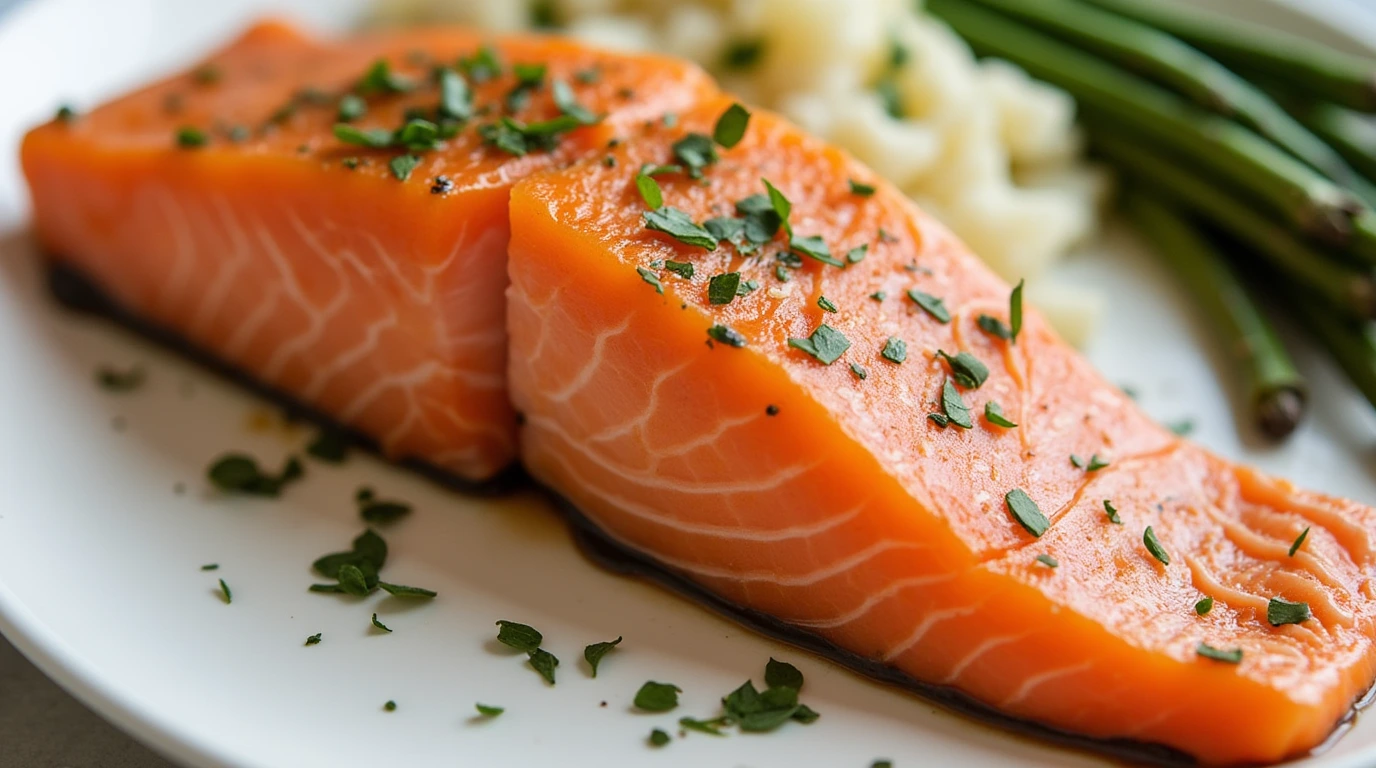
Weber Salmon Recipe
Summer evenings changed how I see grilling salmon. The first time I lit my Weber grill, I felt it was more than cooking. It was about making memories filled with flavor and tradition.
Grilling salmon needs precision, passion, and the right methods. Whether you love backyard barbecues or weekend cooking, learning Weber salmon grilling will take your outdoor cooking to the next level. This guide will help you cook salmon perfectly, with a crispy outside and a tender inside.
Imagine making a restaurant-quality salmon dish on your own grill. With these techniques, you’ll turn simple ingredients into a dish that will wow your family and friends.
Table of Contents
Essential Equipment for Weber Salmon Grilling
Grilling the perfect salmon on a Weber grill is more than just using great ingredients. Your tools play a big role in how your meal turns out. Let’s explore the key tools and techniques to improve your grilling skills.
Choosing the right Weber grill and accessories is key for great salmon grilling. Knowing which tools help you cook fish perfectly is essential.
Best Weber Grill Models for Seafood
Not all grills are the same when it comes to salmon grilling. Weber has several top models for seafood:
- Weber Spirit II E-310 – Great for small spaces
- Weber Genesis II E-335 – A premium choice with advanced features
- Weber Summit S-470 – The best for serious grillers
Must-Have Grilling Tools and Accessories
To grill salmon like a pro, you’ll need specific tools:
- Fish spatula with a thin, flexible edge
- Digital meat thermometer
- Grill tongs with long handles
- Aluminum foil
- Silicone basting brush
Choosing the Right Wood Planks
Wood planks can change your salmon’s taste. Here are some options:
| Wood Type | Flavor Profile | Best For |
|---|---|---|
| Cedar | Rich, smoky | Traditional salmon dishes |
| Alder | Mild, sweet | Delicate fish preparations |
| Maple | Subtle, smooth | Lighter salmon recipes |
Pro tip: Always soak your wood planks for at least 1 hour before grilling. This prevents burning and ensures the best flavor.
Selecting the Perfect Salmon for Grilling
Choosing the right salmon is key to a great grilling experience. When picking omega-3 salmon, look for several important factors. These ensure your meal is both tasty and healthy.
Here are the main things to check for:
- Bright, vibrant color with no discoloration
- Firm flesh that springs back when gently pressed
- Clean, ocean-like smell without any strong fishy odors
- Smooth, shiny skin with no dry or brown edges
Different omega-3 salmon types have their own grilling perks. Wild-caught Alaskan salmon is known for its rich taste and high omega-3 levels. Sockeye and King salmon are great for Weber grilling because they stay moist and flavorful.
Here are some tips for choosing sustainable salmon:
- Purchase from reputable fishmongers
- Check for Marine Stewardship Council certification
- Prioritize wild-caught options over farm-raised
- Ask about the fish’s origin and catching methods
Remember, fresh salmon is always the best choice. Try to buy it the same day you plan to grill. Make sure it’s been stored properly and looks fresh.
Weber Salmon Preparation Techniques
Preparing salmon for grilling needs attention to detail. Start with cleaning, portioning, and getting it ready for the grill. This ensures your fish is perfect for grilling.
Proper Cleaning and Scaling
Begin by cleaning your salmon well. Rinse it under cold water to get rid of any dirt. Then, use a fish scaler or a knife to remove scales:
- Hold the salmon firmly against a cutting board
- Scrape from tail to head in short, quick strokes
- Rinse thoroughly after scaling
Ideal Portion Sizing
For the best grilling, focus on portion size. A 6-ounce fillet, about 1 inch thick, is ideal. This size ensures even cooking and the right texture.
| Fillet Weight | Thickness | Grilling Time |
|---|---|---|
| 6 ounces | 1 inch | 6-8 minutes |
| 8 ounces | 1.5 inches | 8-10 minutes |
Pin Bone Removal Techniques
Removing pin bones is key for a great meal. Use clean, sharp fish tweezers to gently pull out these small bones. Start from the thickest part towards the tail.
“A well-prepared salmon is the foundation of a great grilling experience.” – Grill Master Chef
Check for pin bones by feeling the fillet. Any hard bumps mean bones to remove. Be careful and thorough to avoid bones.
Classic Weber Salmon Marinade
Making the perfect salmon marinade turns a simple fish into a grilling masterpiece. Your Weber salmon marinade will make your seafood cooking special. It adds a delightful mix of flavors that caramelize well on the grill.
A classic salmon marinade needs the right ingredients and the right amounts. Here’s a recipe that promises tasty results:
- 5 tablespoons olive oil
- 1.5 tablespoons brown sugar
- 1.5 tablespoons soy sauce
- 1 teaspoon lemon zest
- 1 teaspoon Dijon mustard
- 1 tablespoon chopped parsley
- 2 teaspoons chopped thyme
- 0.75 teaspoon salt
- 0.5 teaspoon black pepper
- 1 teaspoon minced garlic
When making your salmon marinade, timing is key. Marinate your salmon for at least 1 hour and no more than 8 hours. This lets the flavors soak into the fish without ruining its texture.
Pro tip for your salmon marinade: Watch your salmon while grilling. The sugar can make the skin burn fast. But it also makes a beautiful caramelized outside that boosts the flavor.
“A great marinade turns good salmon into an extraordinary grilling experience.”
You can make your salmon marinade up to 3 days ahead. Just keep it in an airtight container in the fridge until you’re ready to grill.
Brining Your Salmon for Maximum Flavor
Brining turns regular salmon into a dish that wows. It’s all about the science of salt and sugar. They make the fish moist and full of flavor.
Top chefs say a good brine is key.
“Brining is the secret weapon for moist, delicious seafood,” says top Seattle chef Mark Thompson.
Wet Brining Methods
Wet brining means soaking your fish in a liquid mix. Here’s how to do it:
- Use 1 gallon of water
- Add 2 cups of brown sugar
- Mix in 2 cups of kosher salt
- Optional: Include aromatics like peppercorns or bay leaves
Brine your salmon for about five hours. This time lets the flavors soak in right.
Dry Brining Techniques
Dry brining is a different way to brine. Just rub your salmon with:
- 1/2 cup kosher salt
- 1/2 cup brown sugar
- Freshly ground black pepper
Recommended Brining Times
For the best taste, follow these times:
- Minimum brining time: 45 minutes
- Optimal brining time: 60 minutes
- Maximum recommended time: 90 minutes
Pro tip: After brining, let your salmon air dry for 2-4 hours. This helps the smoke stick better when grilling.
Setting Up Your Weber Grill for Salmon
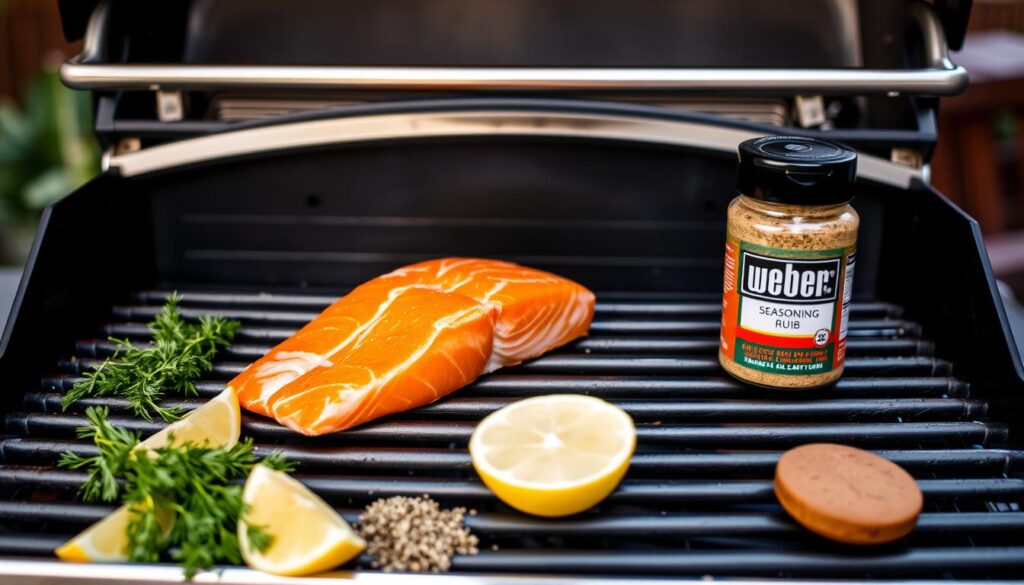
Getting your Weber grill ready for salmon is all about precision. The right setup can turn a simple fish into a gourmet dish. It all starts with mastering heat management and technique.
Heat zones are key when grilling salmon. Set up your grill with two main zones:
- Direct high heat zone for initial searing
- Indirect medium heat zone for gentle cooking
Keeping the temperature just right is crucial for perfect salmon. Aim for a grill temperature between 375-400°F. Here’s how to check the heat:
- Low heat: Can hold hand at grill rack for 6 seconds
- Medium heat: Can hold hand for 4 seconds
- High heat: Can hold hand for 2 seconds
For charcoal Weber grills, spread coals 3 inches beyond your cooking area. This ensures even heat for your salmon. Gas grills need preheating and adjusting to create direct and indirect zones.
Pro tip: Always clean and oil your grill grates before cooking. This prevents salmon from sticking. A clean grill surface helps get those beautiful grill marks and keeps the fish intact.
Buffalo Trace Whiskey BBQ Salmon Recipe
Take your weber salmon grilling to the next level with this Buffalo Trace Whiskey BBQ Salmon recipe. It turns a simple salmon fillet into a gourmet dish that will wow your guests.
Grilling salmon becomes an art when you add Buffalo Trace Whiskey BBQ sauce. The mix of smoky whiskey and tangy BBQ makes a glaze that’s perfect for the delicate weber salmon.
Ingredient List
- 4 salmon fillets (4-6 oz each)
- ¼ cup Buffalo Trace Whiskey BBQ Sauce
- ½ cup bourbon
- 2 tablespoons maple syrup
- 2 tablespoons brown sugar
- 1 tablespoon Worcestershire sauce
- 1 tablespoon low sodium soy sauce
- 1 minced garlic clove
- ½ teaspoon apple cider vinegar
Step-by-Step Instructions
- Prepare weber salmon fillets by patting them dry
- Mix bourbon, maple syrup, and BBQ sauce in a small saucepan
- Reduce glaze for 3-5 minutes until thickened
- Brush salmon with whiskey BBQ glaze
- Grill salmon for 4-5 minutes per side
Temperature Guidelines
For perfectly cooked weber salmon, aim for an internal temperature of 145°F. Cooking time varies between 15-18 minutes depending on fillet thickness. Pro tip: Let salmon rest for a few minutes after cooking to retain moisture.
Nutritional Highlights: • Total Calories per Serving: 448 kcal • Protein: 45g • Carbohydrates: 14g • Fat: 14g
Cedar Plank Weber Salmon Technique
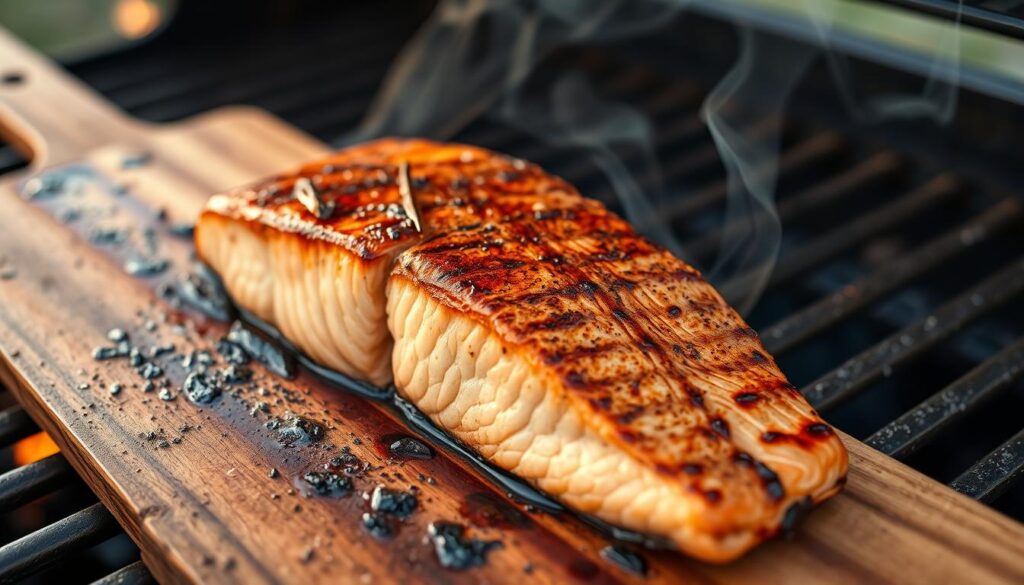
Take your salmon grilling to the next level with the cedar planked salmon technique. This method turns a simple fish dinner into a gourmet experience at home. Cedar planked salmon adds smoky flavors and keeps the fish moist.
Choosing the right cedar plank is key for great cedar planked salmon. Look for planks made for grilling, often sold in pairs at seafood counters. Soak your plank in water for at least 1 hour before grilling. This helps prevent charring and boosts flavor.
- Best salmon varieties for cedar plank grilling:
- Sockeye salmon
- King salmon
- Coho salmon
Preheat your Weber grill to just over 400°F. The cedar plank does two important things: it shields the salmon from direct heat and stops it from sticking to the grates. Make sure to cover the whole plank with salmon to avoid burning.
| Grilling Parameter | Recommended Setting |
|---|---|
| Grill Temperature | 400-425°F |
| Cooking Time | 15-20 minutes |
| Target Internal Temperature | 135°F |
Pro tip: Have a spray bottle ready to handle any flames. Aim for even cooking that lets the cedar’s smoky flavor soak into the salmon. Take the salmon off the grill when it hits 125°F. Let it rest for 5 minutes before serving.
Monitoring and Testing Salmon Doneness
Mastering salmon grilling tips means knowing how to check if your fish is done. Getting it just right can turn a simple meal into a feast for the senses.
To get perfect salmon, pay close attention to temperature, look for visual signs, and check the texture. Experts say precision is essential for a great seafood dish.
Temperature Checkpoints for Perfect Salmon
Internal temperature is key when grilling salmon. Here are the temperature ranges to aim for:
- Medium Rare: 120-125°F
- Medium: 130-135°F
- Medium Well: 140-145°F
Keep in mind, the salmon’s temperature will go up 3-5 degrees after it’s removed from the grill. So, take it off a bit before it reaches your desired doneness.
Visual Indicators of Salmon Readiness
Here are the visual signs to check if your salmon is cooked just right:
- Flesh turns from translucent to opaque
- Salmon flakes easily with a fork
- Color changes from deep pink to lighter coral
Texture Testing Methods
Texture is also important for checking salmon doneness. Press the thickest part of the fillet gently. A perfectly cooked salmon should:
- Feel firm but still have a slight give
- Separate into clean, moist flakes
- Not appear dry or rubbery
By using temperature checks, visual cues, and texture tests, you’ll grill salmon to perfection every time.
Serving and Pairing Suggestions
Mastering seafood grilling is just the start. Presenting your Weber salmon is where the real art begins. The right way to serve it can turn a simple meal into a memorable experience.
How you plate your salmon can make a big difference. Here are some elegant ways to present your seafood:
- Arrange salmon on a cedar plank for rustic presentation
- Garnish with fresh herbs like dill or parsley
- Create colorful side accompaniments
- Use citrus wedges for bright accents
Choosing the right drink to pair with your grilled salmon is important. White wines like Pinot Grigio go well with the fish’s light flavor. Light craft beers also offer a refreshing contrast.
Here are some side dishes that go great with grilled salmon:
- Grilled asparagus
- Quinoa salad
- Roasted Mediterranean vegetables
- Lemon-herb couscous
Ora King Salmon is a great choice for those watching their diet. It’s packed with omega-3s, has about 12g of protein, and only 137 calories. It’s a healthy option for seafood lovers.
Pro tip: Let your grilled salmon rest 3-5 minutes before serving to retain maximum juiciness and flavor.
Conclusion
Your journey into Weber salmon grilling has given you key techniques. You now know how to turn simple seafood into amazing dishes. You’ve learned about temperature control and different smoked salmon recipes.
Grilling Weber salmon is more than just cooking. It’s about making meals that people will remember. You can use cedar planks, try marinades, or work on your sear. Each time you grill, you get better at balancing flavors and textures.
Remember, practice is important to get better at grilling Weber salmon. Start with basic steps like checking internal temperatures and letting the meat rest. Also, learn about different flavors. As you try new recipes, you’ll get better at grilling salmon that wows everyone.
Now that you know how to grill Weber salmon, you can explore many new dishes. Keep learning, stay curious, and enjoy the tasty results of your grilling adventures.
FAQ
What type of salmon is best for grilling on a Weber grill?
Wild-caught salmon like Sockeye, Coho, or King is great. Choose fresh, firm fish with a bright color and clean smell. Salmon from Alaska or the Pacific Northwest tastes best.
How long should I marinate salmon before grilling?
Marinate for 30 minutes to 1 hour for the best flavor. Don’t marinate more than 2 hours to avoid a mushy texture.
What’s the ideal internal temperature for grilled salmon?
Grill salmon to 145°F (63°C) for the best taste. For medium-rare, aim for 125-135°F (52-57°C). Use a meat thermometer for accurate reading.
Can I use a cedar plank on my Weber grill?
Yes! Cedar planks are great for Weber grills. Soak them in water for 1 hour to prevent burning. They add smoky flavor and keep salmon moist.
How do I prevent salmon from sticking to the grill grates?
Clean and oil your grill grates before cooking. Make sure they’re hot before adding salmon. Use a clean, well-oiled spatula. Parchment paper or a cedar plank can also help prevent sticking.
How long should I grill salmon?
Grill for 4-6 minutes per side, depending on thickness. A 1-inch thick fillet takes about 8-10 minutes. Avoid overcooking to keep the fish moist.
What’s the difference between wet and dry brining?
Wet brining soaks salmon in saltwater, while dry brining uses salt rubbed on the fish. Wet brining adds moisture, while dry brining enhances flavors and texture.
Can I grill frozen salmon?
Thaw salmon completely before grilling. Thaw in the fridge overnight for even defrosting. If partially frozen, grill longer and ensure it reaches 145°F for safety.
What are the best marinades for salmon?
Try soy-ginger, lemon-herb, or maple-bourbon marinades. A simple mix of olive oil, lemon juice, garlic, and herbs works well. Balance flavors to enhance the salmon’s taste.
How can I tell if my salmon is fresh?
Fresh salmon has a bright color, firm flesh, and a clean smell. Avoid fish with a strong smell, discoloration, or soft texture.
Tried & Tested: Is Worth It?
There are no reviews yet. Be the first one to write one.